
Discover How Nutrients Shape Your Mood
Food isn't just fuel for your body—it directly influences your emotional wellbeing. Our editorial platform explores the science-backed connection between nutrition and mental health, helping you understand which nutrients can genuinely support a more balanced mood.
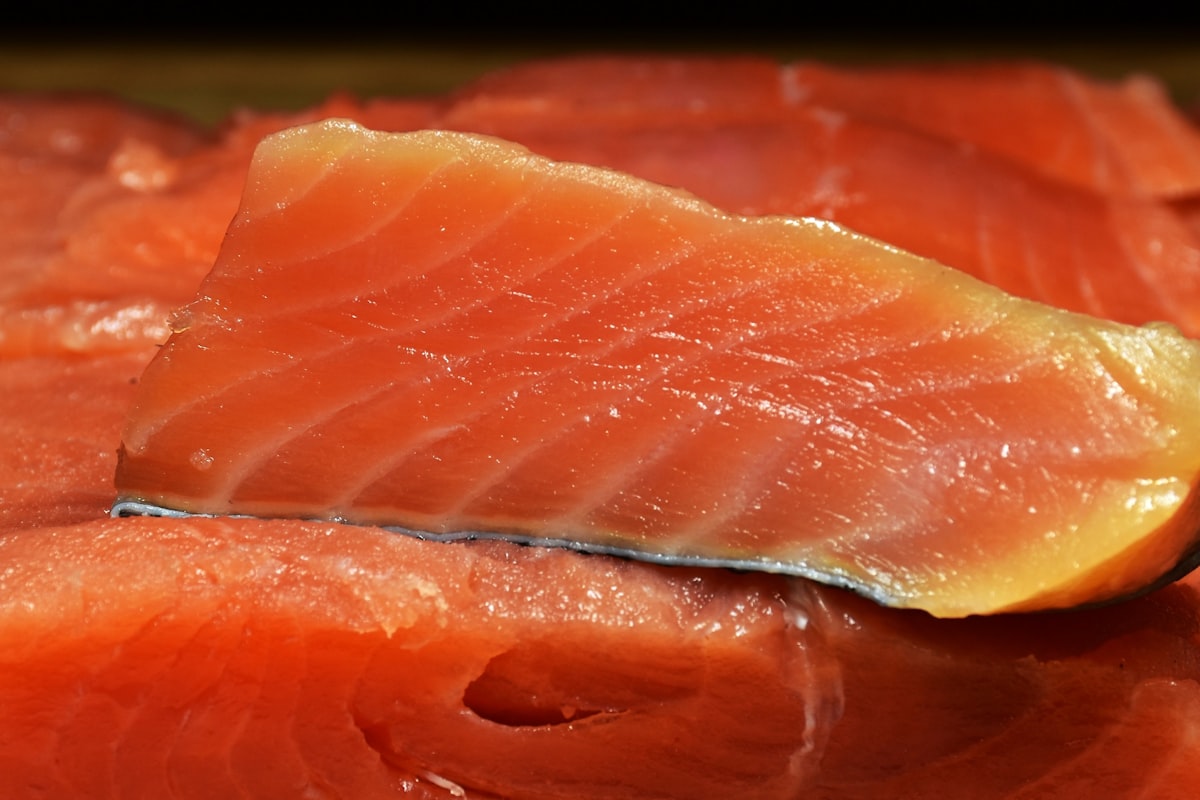
Essential Nutrients for Mood Balance
Omega-3 Fatty Acids
Found in fatty fish, seeds, and nuts, omega-3s support brain function and emotional resilience. Research suggests these essential fats play a crucial role in maintaining neural flexibility and emotional balance.
B Vitamins
B vitamins are essential for energy production and neurotransmitter synthesis. They help regulate serotonin and dopamine levels, supporting mental clarity and emotional stability throughout the day.
Magnesium
This mineral supports relaxation and nervous system function. Green leafy vegetables, whole grains, and legumes are rich sources that may help reduce everyday stress responses.
Antioxidants
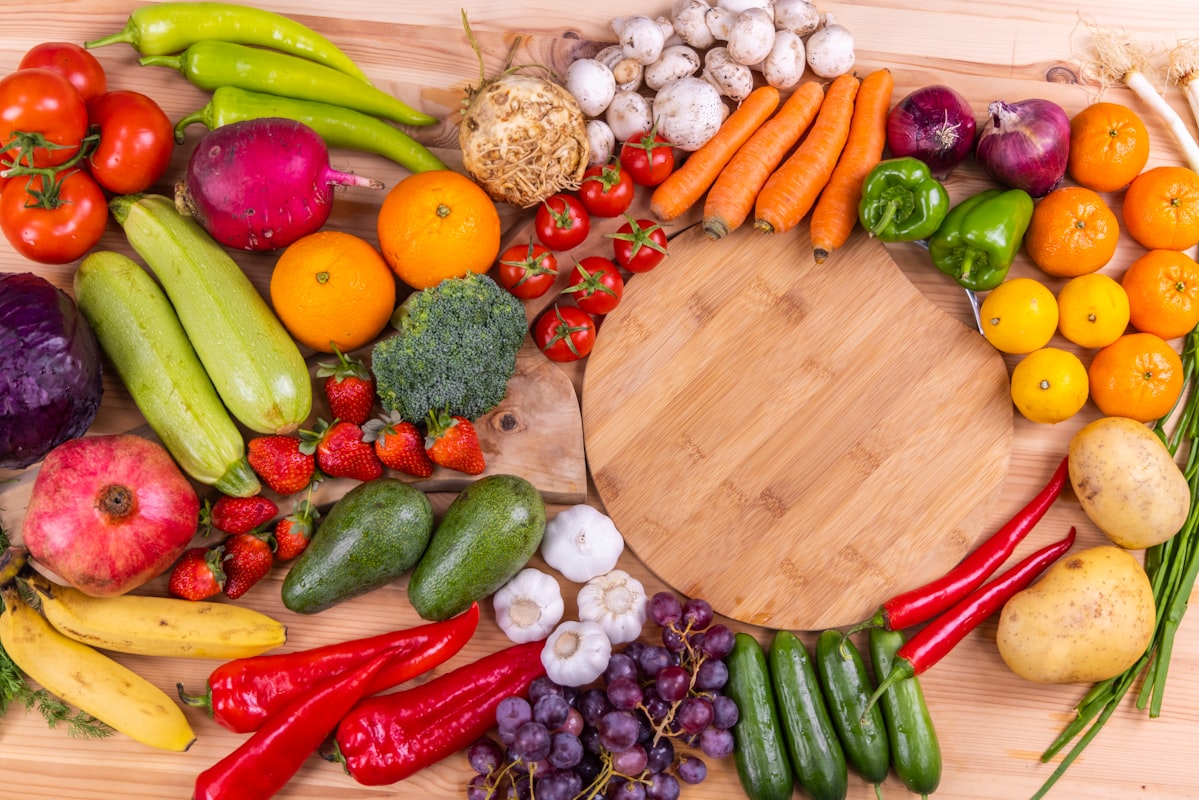
Vitamins C, E, and polyphenols protect brain cells from oxidative stress. Colourful fruits, berries, and vegetables provide these protective compounds that support long-term mental wellbeing.
Amino Acids
Protein-derived amino acids are building blocks for neurotransmitters. Foods like poultry, legumes, and eggs provide the raw materials your brain needs for mood regulation.
Zinc
Zinc supports immune function and mood regulation. Oysters, beef, pumpkin seeds, and chickpeas are excellent sources that contribute to emotional resilience and stable mood patterns.

The Gut-Brain Connection Explained
Your digestive system and brain are intimately connected. Emerging research shows that the foods you eat directly influence the production of neurotransmitters—the chemical messengers that regulate mood, sleep, and emotional responses.
When you consume nutrient-dense foods, you're supporting not just physical health, but also the delicate balance of your mental and emotional wellbeing. Understanding this relationship empowers you to make informed dietary choices.
- Neurotransmitter Production: Nutrients serve as precursors for serotonin, dopamine, and other mood-regulating chemicals.
- Brain Inflammation: Certain nutrients reduce inflammatory markers linked to low mood and mental fog.
- Energy & Stability: Balanced blood sugar and steady energy support emotional consistency throughout the day.
Why Trust Our Editorial Content
Evidence-Based Research
Every article is informed by peer-reviewed research and established nutritional science. We translate complex studies into practical insights you can actually use in your daily life.
Impartial Perspective
Our editorial team maintains editorial independence. We explore the genuine science—including what the research does and doesn't support—without exaggeration or bias.
Practical Guidance
We don't just explain theory—we help you apply it. Discover real food sources, realistic eating patterns, and actionable steps to support your emotional and physical wellbeing.
UK-Based Community
We understand the UK food landscape, local availability, and cultural context. Our recommendations are tailored to readers in the United Kingdom with practical, accessible advice.
Transparent Disclaimers
We're clear about what nutrition can and cannot do. Our content is educational—supporting your existing healthcare decisions, never replacing professional guidance.
Continuously Updated
Nutritional science evolves. We regularly review and refresh our content to reflect the latest research findings and emerging insights into mood and dietary wellbeing.
What You'll Find Here
Mood-Boosting Recipes
Delicious, nutrient-dense recipes designed specifically to support emotional wellbeing. Each recipe highlights which key nutrients it contains and why they matter.
Science Deep Dives
Understand the mechanisms behind mood-nutrient connections. We break down the neuroscience in accessible language, without unnecessary jargon.
Habit Building Guides
Practical strategies for integrating mood-supportive foods into your everyday routine. Small, sustainable changes that add up to real emotional benefits.
How Our Content Has Helped Readers
"I never realised how much my diet was affecting my mood until I read the articles on Mealemotionlink. The recipes are genuinely tasty, and I've noticed a real difference in my energy and emotional stability since I started eating the suggested foods. Results from our practical, evidence-based approach have helped busy professionals like those in Manchester, UK integrate this into their daily routines. works for my busy life."
Sarah Mitchell
Manchester, UK
"What I appreciate most is the honesty. The writers explain what science actually supports and what's still being researched. I trust the recommendations because they're not overselling anything. The omega-3 and magnesium content guides have been especially helpful for understanding my own dietary needs."
James Richardson
Leeds, UK
"As someone interested in nutrition but not a scientist, I found the explanations clear and fascinating. The deep dives into the gut-brain connection actually changed how I think about food. I now feel more empowered making dietary choices that support my mental health."
Emma Thompson
Bristol, UK
"The habit-building guides are fantastic—they're realistic and don't shame you. I've integrated the suggested foods slowly, and my morning mood and afternoon energy are noticeably better. It's not a quick fix, but it's genuine, sustainable progress."
David Chen
London, UK
Latest Articles and Guides
Omega-3 Fatty Acids: Brain Food Explained
Explore the science behind omega-3 fatty acids, where to find them, and how they support brain health and emotional resilience.
Read More →
B Vitamins and Neurotransmitter Production
Understand why B vitamins are essential for mental clarity, energy production, and mood stability throughout your day.
Read More →
The Gut-Brain Axis and Mood
Discover how your digestive system communicates with your brain and influences your emotional wellbeing and mental health.
Read More →
Common Questions
Can nutrition really affect my mood?
Yes. Emerging neuroscience confirms that nutrients directly influence neurotransmitter production, inflammation markers, and brain function. Your diet genuinely impacts emotional wellbeing, though it's one piece of a larger picture that includes sleep, movement, and stress management.
How quickly will I notice a difference?
Changes are gradual. Some people notice improved energy or mental clarity within 1-2 weeks. Mood stability and emotional resilience typically develop over weeks to months with consistent dietary adjustments. Patience and consistency matter more than intensity.
Is this a replacement for professional mental health support?
No. Our articles are educational and informational. If you're experiencing significant mood concerns, please consult with a healthcare professional. Nutrition is a supportive strategy that works alongside, not instead of, appropriate professional care.
What if I have dietary restrictions?
All nutrients we discuss have multiple food sources. Whether you're vegetarian, vegan, gluten-free, or have other dietary patterns, our articles explore alternative sources. Each nutrient can be obtained through different foods to suit your lifestyle.
Where does your information come from?
Our content is informed by peer-reviewed research, established nutritional science, and up-to-date findings. Each article references the evidence behind its claims. We distinguish between well-established facts and emerging areas of research.
Do you offer personalised nutrition advice?
Our platform is educational and informational. For personalised dietary guidance tailored to your specific health situation, please consult a qualified healthcare professional. Our articles provide general knowledge to inform your discussions with them.
Stay Informed About Nutrition and Mood
Get updates on the latest articles, research insights, and practical tips delivered to your inbox.
We respect your privacy. Unsubscribe anytime.
Begin Your Journey to Better Mood Through Nutrition
Whether you're curious about the science, looking for new recipes, or seeking practical strategies to support your emotional wellbeing, our comprehensive guides are here to help you understand the genuine connection between food and mood.
Questions about our content? Get in touch with our editorial team. For health concerns, always consult a qualified healthcare professional.